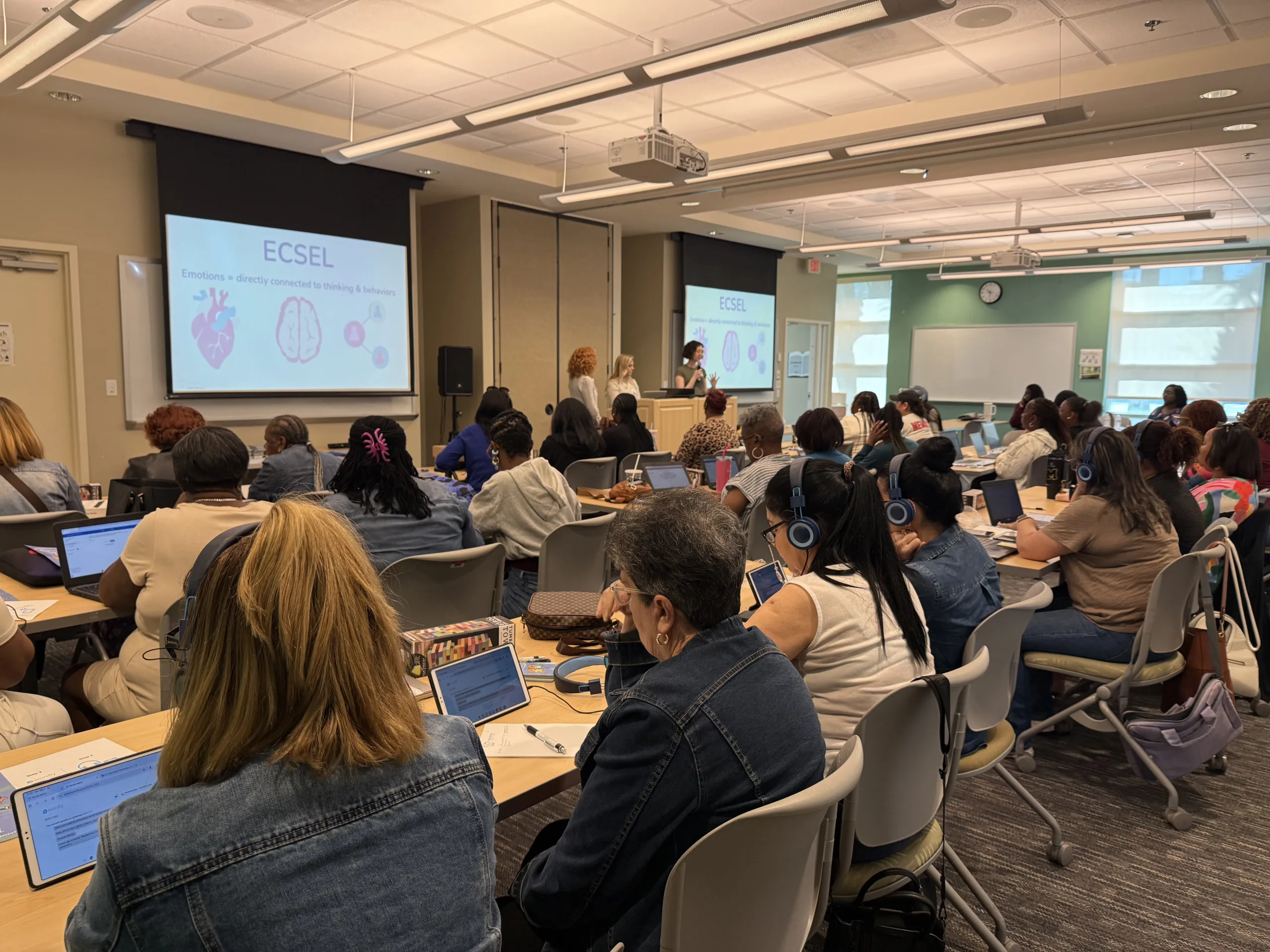
Every educator has their own unique background that can benefit a school community. Teachers who are just starting out can learn a lot from veteran teachers, who have years of experience, expertise, and knowledge. And educators who have been in the field for years can also learn a great deal from new teachers, who offer a fresh perspective and can bring different strategies and creative ideas to the classroom.
Creating opportunities for educators to learn from one another, confide in each other about challenges, identify each other’s strengths and areas of improvement, and guide one another to reach professional goals can fortify a school community from the inside out. Peer mentorship provides teachers with this kind of on-the-ground support — someone who understands their experiences, helps them move through difficult moments, and challenges them to grow personally and professionally.
Identifying Mentors in Your School
What makes a good mentor? Experience is important, but not the only thing that matters. When choosing someone to become a mentor, it can be helpful to keep the following criteria in mind as a guide:
Strong emotional intelligence skills. An educator who is self-aware, has empathy, and can manage heightened emotions is far more likely to be able to support others with navigating challenges and identifying strengths. These individuals have their own regulation and reflection strategies that they can not only model for others, but can use to keep themselves grounded, preventing overwhelm and burnout.
A “lifelong learner.” Education is an incredibly rewarding profession, but it has more than its fair share of challenges and barriers, especially now. Teachers who continue to seek out opportunities to learn more and grow in their field can be instrumental in identifying resources and strategies to help their peers do the same. A little inspiration can go a long way!
Conflict resolution and problem-solving skills. These go hand-in-hand with emotional intelligence skills, and educators who can help to diffuse heightened situations can help strengthen co-working relationships.
The go-to person at your school. Educators who already have a supportive community presence at your school or center are perfect mentor candidates. An important part of mentorship is trust: someone you can confide in and who understands where you’re coming from. Mentorship blossoms from peer connection, knowledge, and trust.
Tips for Building Co-Working Community
Mentors can use these ideas to guide them in their role and help them to become attentive and effective peer leaders:
Actively listen before providing insight or suggestions. Feeling heard and understood by others is incredibly important when addressing challenges and solving problems. Your mentees will see the best outcomes if the solutions or next steps to address their challenges ultimately come from themselves, and a big part of that is waiting to offer suggestions. Your knowledge and expertise are important, but by guiding mentees to reflect on what happened, how they responded, what went well, and what they would do differently, they are more likely to arrive at a solution that feels best for them and follow through.
Make time for peer connection. When it comes to connecting with your mentees, consistency is important. Setting aside regular times to meet with mentees establishes a culture where peer support is valued and helps to build trust in the school community.
Identify personal and professional goals to work toward. Having a goal that you can take actionable steps towards achieving can be incredibly motivating. Identifying goals with your mentees will help guide your observations and tailor your support plans.
Use reflective practices regularly. Your mentees are not the only ones who will benefit from reflecting on challenges and successes. Mentorship is often a role that an educator takes on in addition to their other responsibilities, and it can be understandably challenging to manage at times. Take time to reflect on what is working and what isn’t to avoid burnout.
Don’t drop the ball – make a plan to follow up. Follow-through is important in a multitude of ways. It shows your mentees that you hear them, that they matter, and that you are invested in their growth and success. If you make an action plan with them, stick to it. Modeling accountability will also help them follow through with their goals.