
Challenges & Advice from ECSEL Educators

In this blog, we will respond to common challenges (exclusion, “terrible” threes, and sharing) that teachers and families are facing with children at school and at home to show you how to apply these ECSEL strategies on your own. Your Challenges as Caregivers and Educators In the last blog, we went over teaching practices from ECSEL educators. We’d like to apply […]
Teaching Practices & Advice from ECSEL Educators
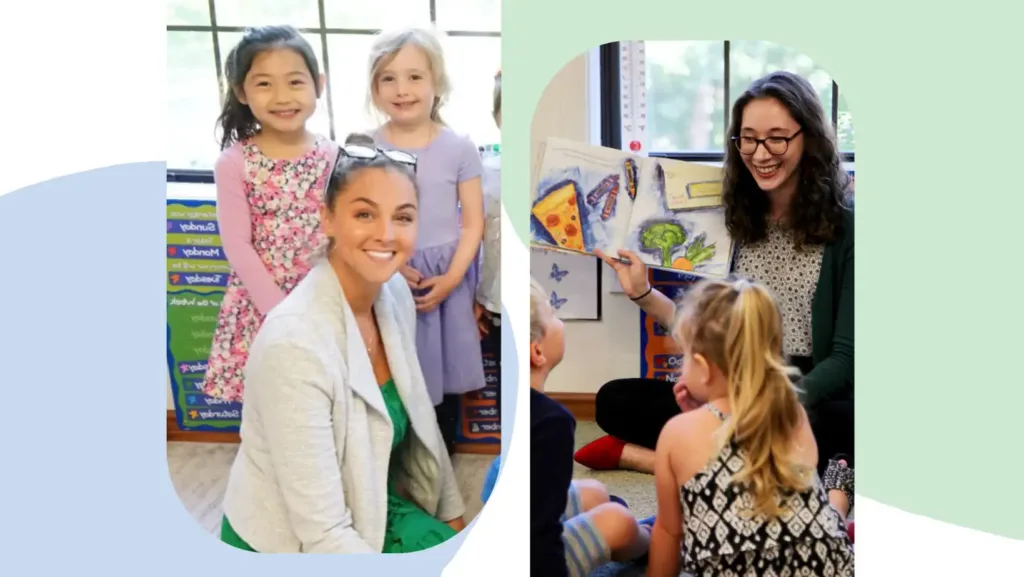
As all early childhood educators and families know, children have a lot of big feelings that oftentimes come with even bigger behaviors. What all early childhood educators and families may not know is how to navigate these challenges. We asked parents, caregivers, and educators like you to share what you are experiencing with children in your classrooms and at […]
When We Look at Learning Loss, Let’s Remember the Support Adults Need

Two researchers, Tom Kane and Sean Reardon, a professor of education and economics at Harvard and a professor of education and sociology at Stanford, respectively, recently wrote Parents Don’t Understand How Far Behind Their Kids Are in School. The two gentlemen are part of a team of researchers from Harvard, Stanford, Dartmouth, Johns Hopkins, and the […]
Building Resilience in Children: Activities and Games

In this blog, you see a parent and educator’s perspective on raising resilient kids through play-based learning. You will also find simple ways to build resilience in children, activities for each age from infants to second grade, eight games for kids and students, and five steps for teaching resilience with games. As a parent of two, […]
Regulation Activities for Kids During Mental Health Awareness Month

May is Mental Health Awareness Month, and to set the tone for the season and beyond, this blog is going to focus on an important part of our own mental health and well-being and the mental health and well-being of children: emotional regulation. Many children are currently navigating emotional meltdowns, social conflicts, chaotic transitions, and difficulty […]
Emergent Curriculum: Examples, a Lesson Plan and a Free Planning Template

Emergent curriculum is an approach to early childhood curriculum in which teachers plan activities and projects from what they observe in their group of children: their interests, needs, skills, and feelings. Instead of following a plan set in advance, the teacher acts as a facilitator, and learning grows and changes as the children do. If […]
The Ottersons’ Eruption and the Art of Storytelling to Support Children’s Mental Health

Infants’ and toddlers’ mental health has suffered significantly over the past several years. Emotions are universally babies’ first language and way of experiencing the world. As such, we have an opportunity to respond empathically to infants and young children and to connect with them in order to support their emotional well-being. Related: The Ultimate Guide […]
How to Talk to Kids About Difficult Topics: What to Say by Age (With Books)
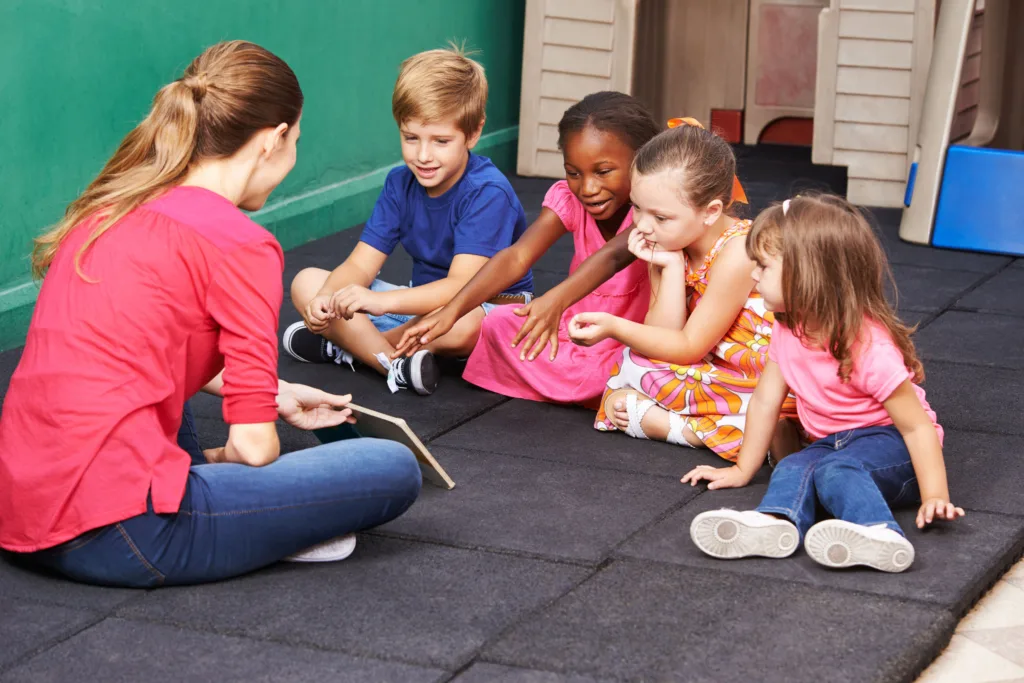
In this article, you will find important information about how to talk to children about common tough topics, including shootings, death, racism, mental health, illness, divorce, and more. Also find a step-by-step guide with a free PDF printable handout for talking to kids about tough topics, in general, tips on trauma-informed care, and book lists to help guide children to exploring […]
Infants’ and Toddlers’ Mental Health Matters, And It Begins With Yours

EdSurge recently reported on the negative impact of the past few years on toddlers’ and infants’ mental health. I agree wholeheartedly that much has been reported on older groups of children and teens, but there hasn’t been as much focus on very young children – including infants and preschoolers. As Meghan Schmelzer, senior manager of infant and […]
Making the Most of Storytime: Using Children’s Books to Teach Emotional Intelligence

In this blog, you will learn step by step how to teach young children about emotions using storybooks, see recommendations on books about feelings, and be able to download an infographic summarizing how storybooks support children and their emotional intelligence. As caregivers and educators of young children, we are responsible for nurturing their development while guiding them […]
Mental Health of Students & Teachers Must Come First

EdWeek recently ran an opinion piece, “What Districts Need When Investing Their Funds.”1 The authors identified multiple areas, such as tutoring, summer learning, and core instruction. They noted toward the end that emotional and mental health supports should be prioritized. As a psychologist with more than 35 years in the field of child development and […]
Begin to ECSEL | Talking to Kids About Emotions Using Causal Talk & Causal Talk in the Emotional Experience
In this blog, you will learn what is Causal Talk (CT) and Causal Talk in the Emotional Experience (CTEE), how to implement these strategies, and why your own well-being is important to that of the children around you. Did you know that any time you talk with children about their own feelings, the feelings of […]
Resolve to Be Present for the Children in Your Lives

Every New Year, each of us considers the past year and how we can improve our lives as we head into the new year. Some of the most popular resolutions are exercising more, eating healthier and losing weight. Some resolutions are more about internal work, like finding ways to effectively address issues causing frustration, anxiety, […]
5 Tips for Teaching and Practicing Gratitude with Children Every Day
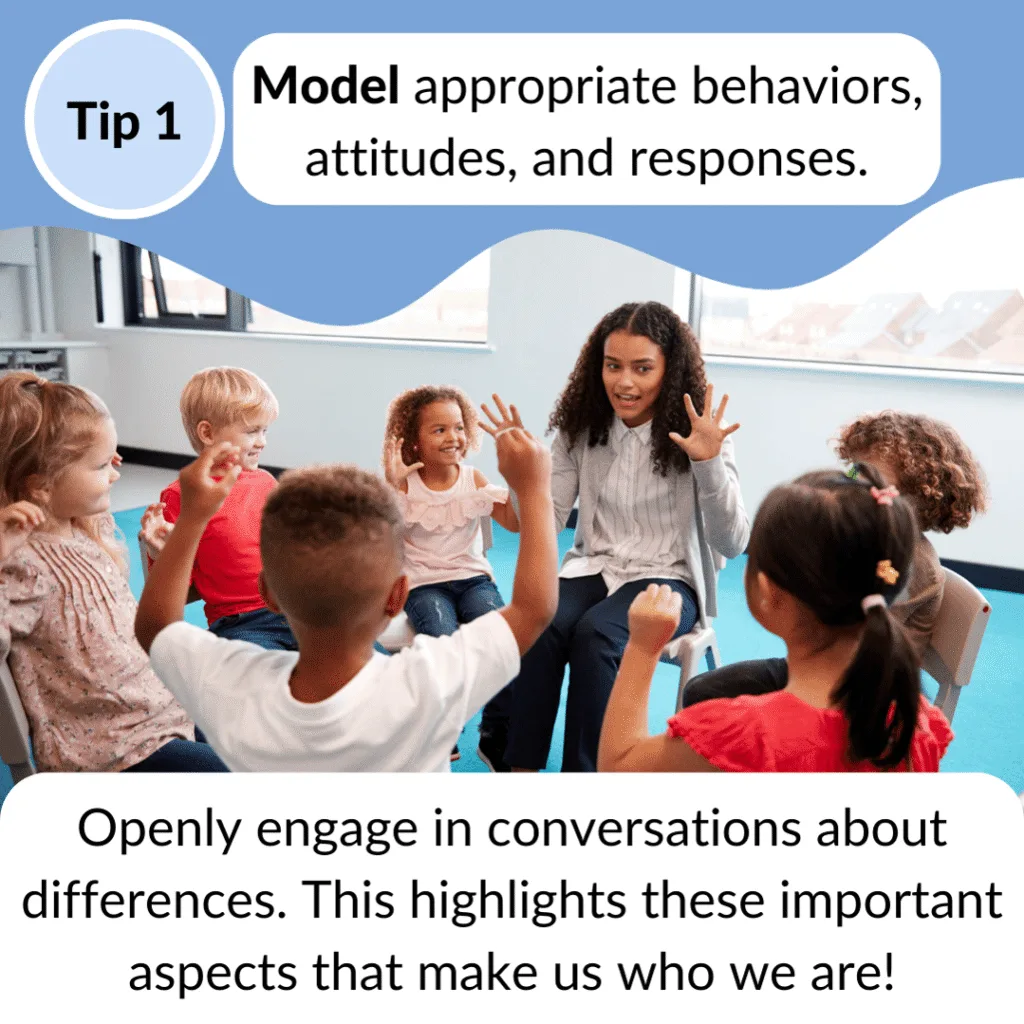
In this article, you will find 5 practical tips with sample language, and actions you can use immediately to teach young children to come to a deeper understanding of gratitude. When the holiday season rolls around, we are often reminded to reflect on what we have and acknowledge what we are most grateful for. But how do we […]
Lesson Ideas-Providing Consistency Between Home & School for Kids
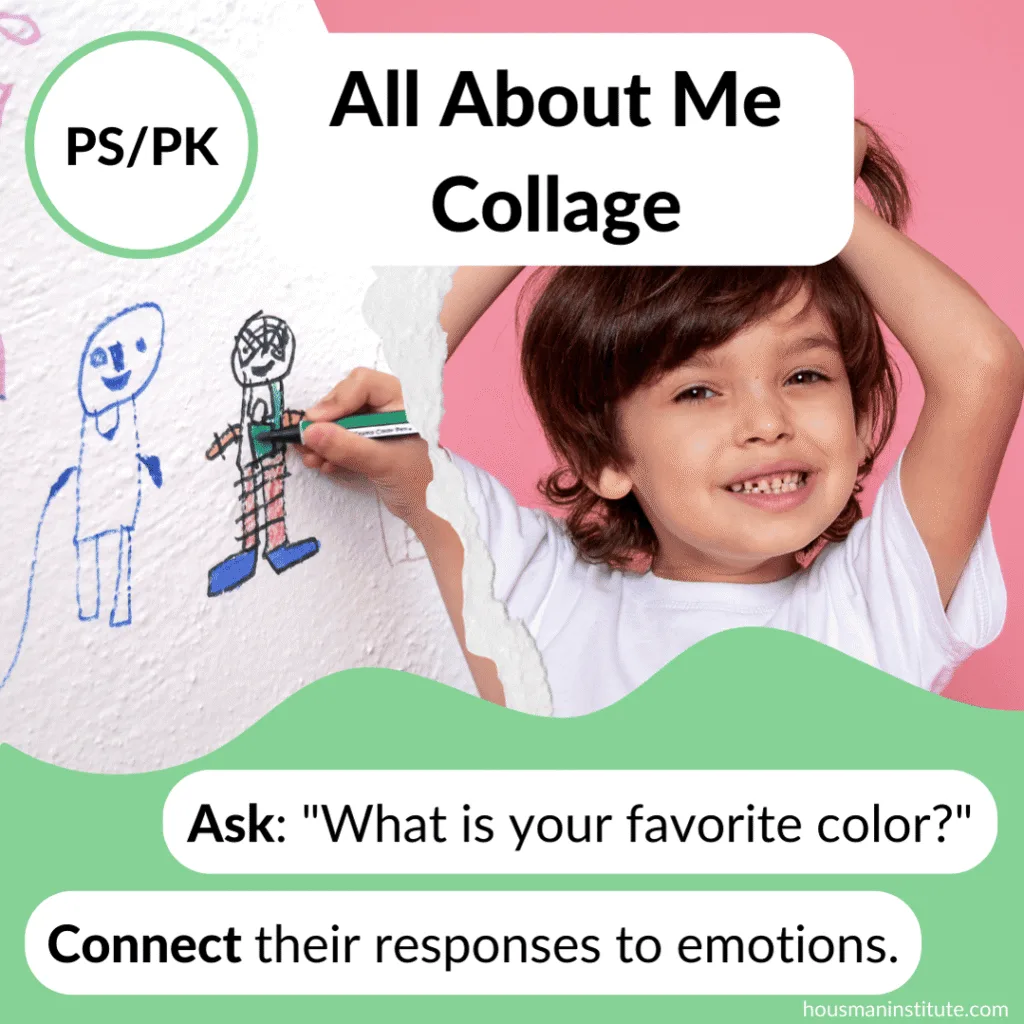
Previously, in Part 1, we’ve discussed: Why it is important to maintain consistency between home and school for children’s social early learning. In Part 2 we’ll see how to provide consistency between home and school for children’s social early learning with practical tips and activity ideas. In the spirit of setting children, families, and educators up for success this holiday season, here […]
Providing Consistency Between Home and School for Children

In this two part series, we will explore: Part 1: Why it is important to provide consistency between home and school for children’s emotional learning. Part 2: How to provide consistency between home and school for children’s emotional learning with practical tips and activity ideas. Be sure to subscribe. The days are getting shorter and just as children have finally adjusted […]